
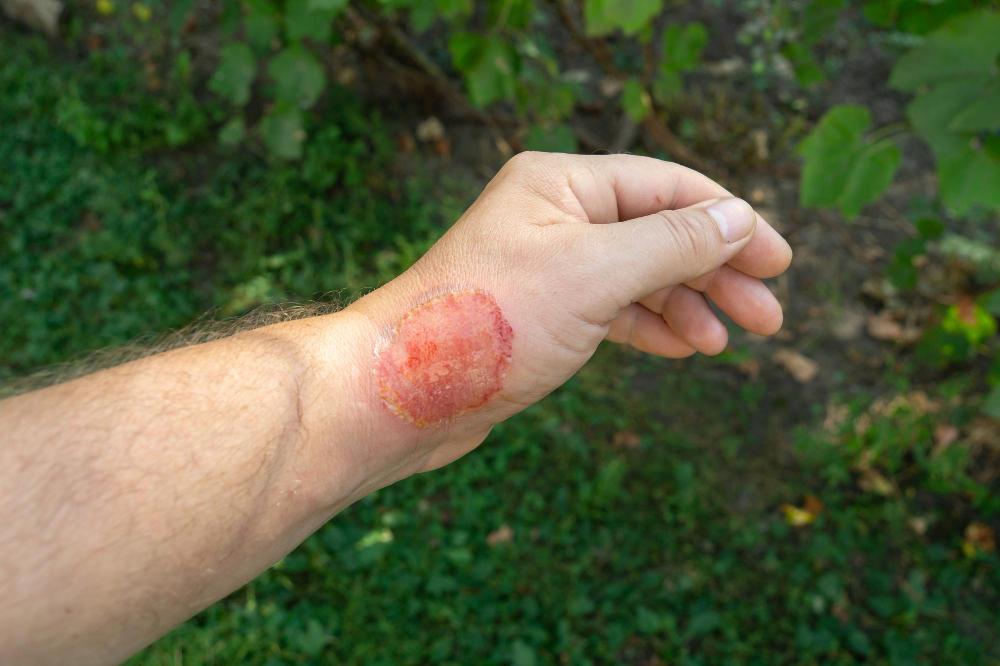
What is Ringworm?
Ringworm is a common skin infection. Despite its name, it is not caused by a worm. Instead, it is caused by a fungus. This infection can affect anyone, including adults and children. In the United States, ringworm is seen often. Because it spreads easily, recognizing a ringworm infection early is important. The infection can appear on the skin, scalp, feet, or nails.
Common Symptoms of Ringworm
Ringworm symptoms can look different on each person. However, there are some signs to watch for. For example, you may notice:
Sometimes, the rash can grow or spread to other parts of the body. In children, ringworm often appears on the scalp. In adults, it is common on the body, feet, or nails.
Causes and Risk Factors
Ringworm is caused by a group of fungi called dermatophytes. These fungi live on skin, hair, and nails. They thrive in warm, moist places. Because of this, ringworm spreads easily in locker rooms, gyms, and swimming pools. You can get ringworm by:
Some people are at higher risk. For instance, children, athletes, and people with weak immune systems may get ringworm more easily. Also, people who sweat a lot or have minor skin injuries are at risk.
How to Recognize a Ringworm Infection
Recognizing a ringworm infection early helps prevent its spread. Look for these signs of ringworm in adults and children:
Sometimes, ringworm can look like eczema or other skin problems. However, the ring shape and clear center are key clues. If you are unsure, it is best to ask a healthcare provider.
When to See a Doctor
Most mild cases of ringworm can be treated at home. Over-the-counter creams often help. However, you should see a doctor if:
Early treatment can stop the infection from spreading. In some cases, prescription medicine may be needed. According to the CDC, proper diagnosis is important for the best care.
Prevention Tips
There are simple ways to lower your risk of ringworm. For example:
Additionally, check pets for signs of ringworm. If you notice hair loss or patches on your pet, see a vet. Good hygiene helps protect you and your family.
If you notice symptoms of ringworm, consult Dr. Abhishek for proper diagnosis and treatment.