
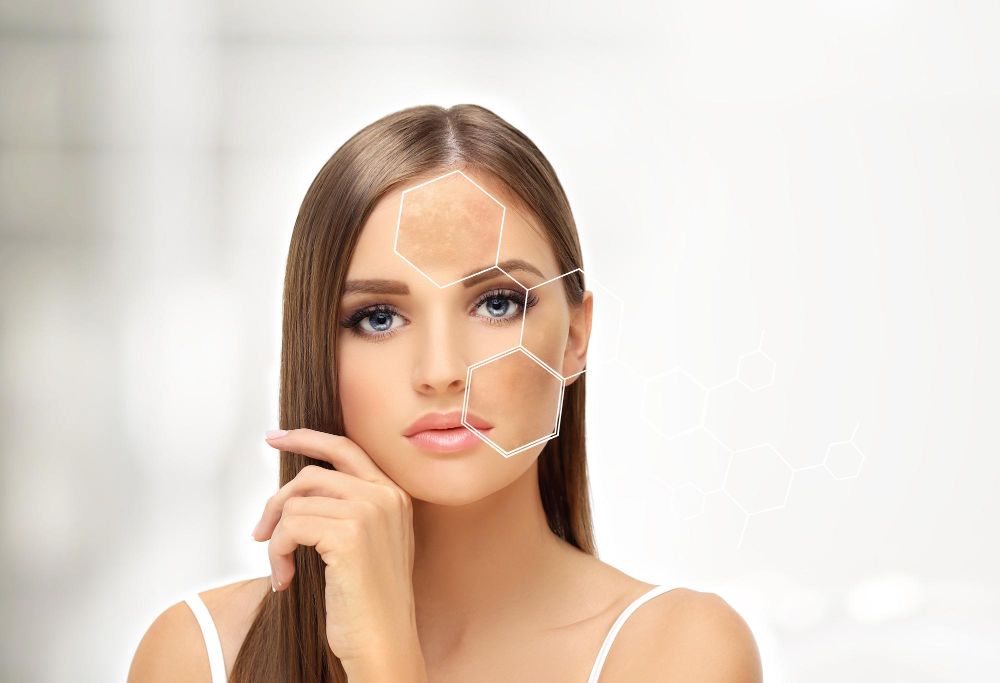
What Is Skin Pigmentation?
Skin pigmentation is the color of your skin. It comes from a natural pigment called melanin. Melanin is made by special cells in the skin. Everyone has melanin, but the amount varies. Some people have lighter skin, while others have darker skin. This difference is normal and depends on your genes. However, sometimes skin color can change due to other reasons.
Causes of Skin Pigmentation Changes
Many things can cause changes in skin pigmentation. For example, you might notice dark spots or lighter patches. These changes can happen for several reasons, such as:
Sometimes, skin conditions like vitiligo or melasma can also affect skin color. In addition, aging can play a role.
Can Skin Pigmentation Be Altered?
Many people wonder if altering skin color is possible. Scientifically, some changes can be made, but not all are safe or lasting. For instance, treatments can lighten dark spots or even out skin tone. However, your natural skin color is mostly set by your genes. While some products claim to change skin color, not all work as promised. According to the World Health Organization (WHO), some skin lightening methods can be harmful. Therefore, it is important to choose safe and proven options.
Medical and Cosmetic Approaches to Altering Pigmentation
There are several treatments for skin pigmentation. Some are medical, while others are cosmetic. Here are a few common options:
Additionally, some people use over-the-counter creams. However, always check with a dermatologist before starting any treatment. Some products may not be safe for all skin types.
Risks and Considerations
Before trying to alter your skin pigmentation, consider the risks. Some treatments can cause side effects, such as:
Moreover, some skin lightening products contain harmful chemicals like mercury. The CDC warns against using these unsafe products. Always choose safe skin lightening methods and consult a professional.
Lifestyle Tips for Healthy Skin Pigmentation
Keeping your skin healthy can help maintain even pigmentation. Here are some tips:
Furthermore, regular check-ups with a dermatologist can help spot any changes early.
Prevention and Myths
Many myths surround altering skin color. For example, some believe natural remedies can lighten skin overnight. However, most of these claims are not true. In reality, safe and lasting changes take time. To prevent unwanted pigmentation changes:
Remember, every skin tone is beautiful. It is best to focus on healthy skin rather than changing its color.
Consult Dr Abhishek, a dermatologist for personalized advice on skin pigmentation concerns.