
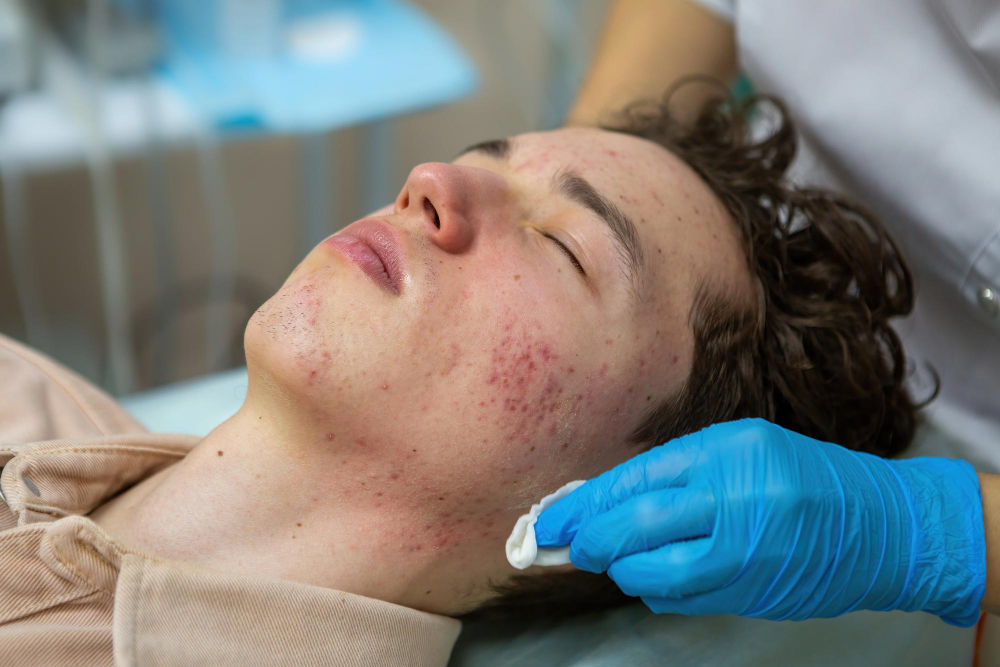
What Is Adult Acne?
Many people think acne only affects teenagers. However, acne breakouts in adults are common and can impact both men and women. Adult acne refers to pimples, blackheads, or cysts that appear after age 25. While it often shows up on the face, it can also affect the back, chest, and shoulders. For some, adult acne can cause stress or lower self-esteem. Because it may last for years, finding the right care is important.
Common Causes of Acne Breakouts in Adults
Although adult acne can be frustrating, knowing the causes helps you manage it better. Several factors can trigger or worsen acne breakouts in adults. For example, changes in hormones often play a big role. Additionally, stress and certain medications may also contribute. Below are some common causes of acne in adults:
Because each person is different, the causes of acne in adults can vary. Sometimes, more than one factor is involved.
Symptoms and Types of Adult Acne
Adult acne can look different from teen acne. Often, it appears as red bumps or deep, painful cysts. Sometimes, blackheads and whiteheads are present. In many cases, breakouts happen along the jawline or chin. However, they can also show up on the back or chest. Here are the main types of adult acne:
Because adult acne can be stubborn, it may last longer than teen acne. Sometimes, it can also leave scars or dark spots.
Diagnosis: How Adult Acne Is Identified
Doctors usually diagnose adult acne by looking at your skin. They may ask about your health, diet, and skincare routine. Sometimes, they will check if you have other conditions that can cause acne, such as hormone problems. In rare cases, a doctor may order blood tests. However, most of the time, a physical exam is enough. If you have severe or sudden acne, it is important to see a healthcare provider. This helps rule out other skin problems and ensures you get the best adult acne treatment.
Effective Treatment Approaches for Adult Acne
There are many ways to treat acne breakouts in adults. Treatment depends on how severe your acne is and what causes it. For mild cases, over-the-counter creams may help. For more stubborn acne, a doctor might suggest prescription medicines. Here are some common adult acne treatment options:
Because skin can react differently, it may take time to find the best skincare for adult acne. Always follow your doctor’s advice and avoid picking at pimples to prevent scars.
Lifestyle Tips to Prevent and Manage Acne Breakouts
While treatment is important, daily habits also play a big role in managing acne. For example, gentle skincare and healthy choices can help prevent new breakouts. Here are some tips on how to prevent adult acne:
Because everyone’s skin is unique, what works for one person may not work for another. However, these steps can support your treatment and help keep your skin clearer.