
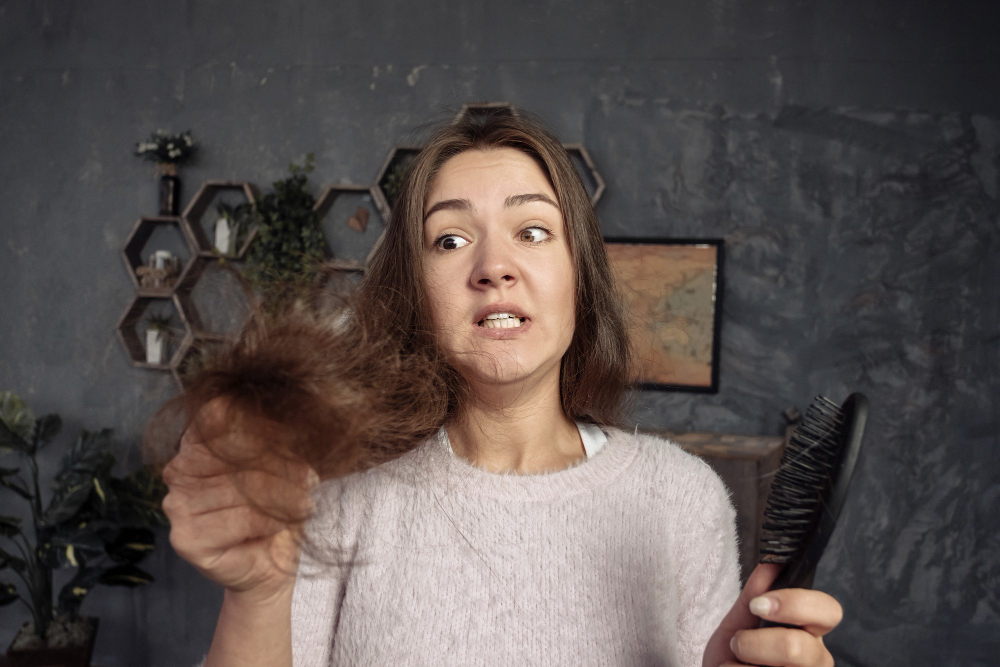
What Is Hair Fall After Monsoon?
Many people notice hair fall after monsoon. This is common and often worries both men and women. During the rainy season, changes in weather and humidity can affect your scalp and hair. As a result, you might see more hair strands on your pillow or in your comb. While some hair loss is normal, a sudden increase after monsoon can be alarming. Understanding why this happens can help you take better care of your hair.
Common Causes of Hair Fall After Monsoon
After the rainy season, several factors can lead to more hair fall. Knowing the causes of hair fall in monsoon helps you find the right solution. For example, high humidity can weaken hair roots. Additionally, rainwater often contains dirt and pollutants. These can harm your scalp health. Here are some common reasons:
Because these factors add up, hair fall after monsoon is a widespread concern.
How to Identify Excessive Hair Fall
Not all hair loss is a problem. However, it is important to know when hair fall is too much. Usually, losing 50 to 100 hairs a day is normal. But if you see more hair on your brush or shower drain, you may have excessive hair fall. For instance, if your hair feels thinner or you notice bald spots, it is time to pay attention. Also, if your scalp feels itchy or sore, this could signal a problem. Early signs help you act quickly and prevent further loss.
Effective Care Tips to Reduce Hair Fall
Thankfully, there are simple monsoon hair care tips to help reduce hair fall. By following these steps, you can protect your hair after the rainy season:
Moreover, regular care helps in preventing hair loss after monsoon.
Lifestyle Changes for Healthier Hair Post-Monsoon
Besides hair care, your daily habits matter too. Making small lifestyle changes can improve hair health. For example, eating a balanced diet gives your hair the nutrients it needs. Drinking plenty of water keeps your scalp hydrated. Here are some helpful tips:
Because these habits support healthy hair, they are key for post-monsoon recovery.
When to Seek Medical Advice
Sometimes, hair fall after monsoon does not improve with home care. In such cases, it is wise to consult a dermatologist. For example, if you notice sudden or patchy hair loss, seek help. Also, if your scalp is red, swollen, or painful, a doctor can check for infections or other issues. According to the World Health Organization (WHO), early treatment can prevent long-term hair problems. Therefore, do not wait if you are worried about your hair health, consult Dr. Abhishek.