
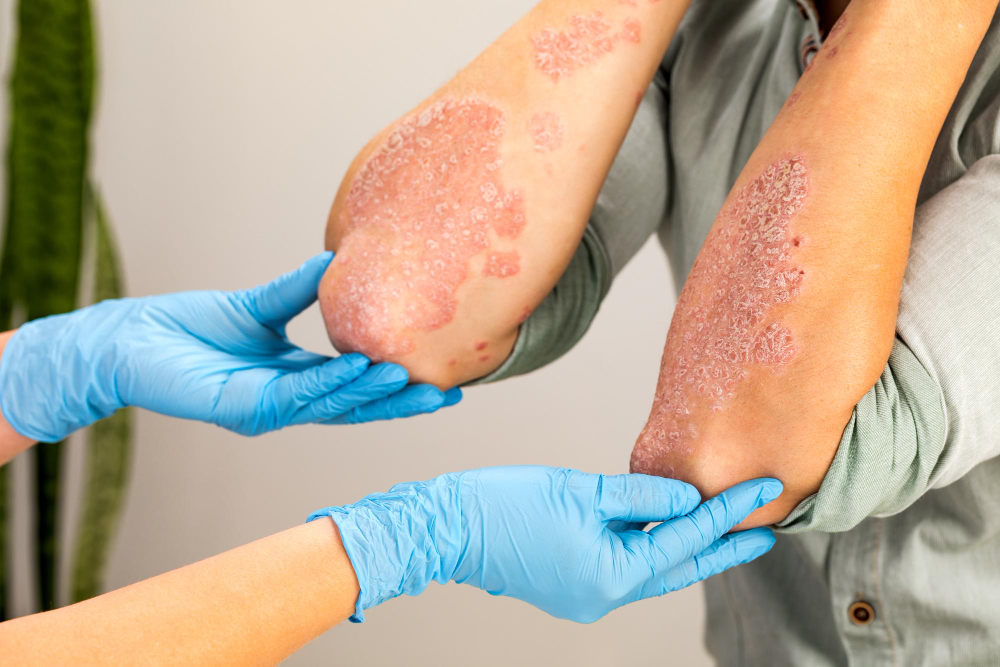
What Is Psoriasis?
Psoriasis is a long-term skin condition. It causes patches of red, scaly skin. These patches can appear anywhere on the body. Often, they show up on the elbows, knees, or scalp. While psoriasis is not contagious, it can affect daily life. Many people wonder about psoriasis causes, symptoms, and how to manage psoriasis. According to the World Health Organization, psoriasis affects millions worldwide. Because it is a chronic condition, symptoms may come and go over time.
Common Causes of Psoriasis
Although the exact cause of psoriasis is not fully known, experts believe it is related to the immune system. When the immune system works too hard, it speeds up skin cell growth. As a result, new skin cells build up quickly, forming thick patches. In addition, genetics can play a role. If a parent or sibling has psoriasis, you may have a higher risk. Certain triggers can also cause flare-ups. For example, stress, skin injuries, or infections may make symptoms worse. Some medications, such as beta-blockers, can also trigger psoriasis in some people.
Recognizing Psoriasis Symptoms
Psoriasis symptoms can vary from person to person. However, some signs are common. For instance, many people notice red patches covered with silvery scales. These patches may itch or feel sore. Sometimes, the skin cracks and bleeds. In some cases, nails may become thick or pitted. Because symptoms can look like other skin problems, it is important to know what to watch for. Early recognition helps with faster treatment.
How Psoriasis Is Diagnosed
Doctors usually diagnose psoriasis by looking at the skin. They may ask about your symptoms and family history. Sometimes, a skin sample is taken for testing. This helps rule out other skin conditions. In most cases, no special blood tests are needed. However, if joint pain is present, your doctor may check for psoriatic arthritis. Early diagnosis is helpful, as it allows for better psoriasis treatment options.
Treatment Options for Psoriasis
There are many psoriasis treatment options available. The right treatment depends on the type and severity of your symptoms. For mild cases, creams and ointments can help reduce redness and itching. In addition, light therapy uses special UV light to slow skin cell growth. For more severe cases, doctors may prescribe pills or injections. These medicines help control the immune system. According to the CDC, treatment plans often combine several methods for best results.
Lifestyle Tips for Managing Psoriasis
Managing psoriasis at home is possible with some simple steps. For example, keeping your skin moisturized helps prevent dryness and itching. You should also avoid harsh soaps and hot water. Because stress can trigger flare-ups, try relaxation techniques like deep breathing. Eating a balanced diet and staying active may also help. If you smoke or drink alcohol, cutting back can reduce symptoms. Remember, small changes can make a big difference in how to manage psoriasis every day.
Preventing Psoriasis Flare-Ups
While it may not be possible to prevent psoriasis completely, you can lower your risk of flare-ups. First, try to identify and avoid your personal triggers. For instance, protect your skin from cuts and sunburns. In addition, manage stress with regular exercise or meditation. If you get sick, treat infections promptly. Because some medications can worsen symptoms, talk to your doctor before starting new ones. By taking these steps, you can help keep psoriasis under control.
Consult a skin specialist Dr. Abhishek