
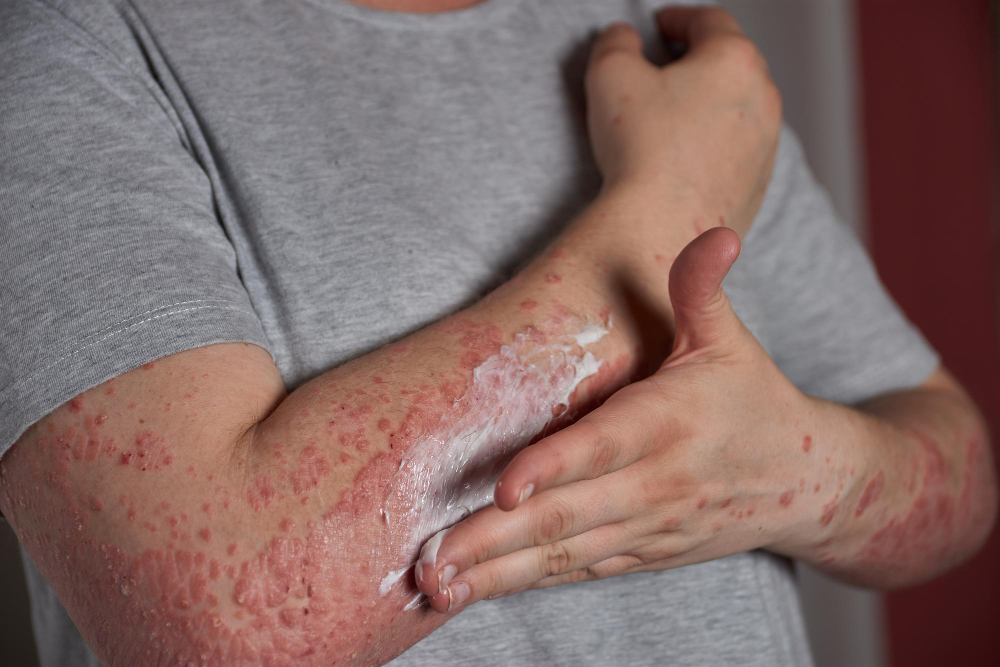
What is Seborrheic Dermatitis?
Seborrheic dermatitis is a common skin condition. It causes red, flaky, and itchy patches. Often, it affects the scalp, face, and other oily areas. Many people call it dandruff when it appears on the scalp. However, it can also show up on the eyebrows, sides of the nose, or behind the ears. While it is not contagious, it can be uncomfortable. For many, seborrheic dermatitis comes and goes over time. According to the Centers for Disease Control and Prevention (CDC), this condition is not dangerous but can be bothersome.
Common Symptoms
Symptoms of seborrheic dermatitis can vary. But, most people notice:
Sometimes, symptoms get worse in cold or dry weather. Also, stress can make them flare up.
Causes and Risk Factors
Doctors do not know the exact cause of seborrheic dermatitis. Still, several factors may play a role. For example, a type of yeast called Malassezia lives on the skin. In some people, this yeast can cause irritation. Also, oily skin can make symptoms worse. Other risk factors include:
Although anyone can get seborrheic dermatitis, it is more common in infants and adults between 30 and 60 years old.
Diagnosis Methods
Usually, a doctor can diagnose seborrheic dermatitis by looking at your skin. Sometimes, they may ask about your symptoms and medical history. In rare cases, they might take a small skin sample. This helps rule out other skin problems. For most people, no special tests are needed. If you are unsure, a dermatologist can give you a clear diagnosis.
Treatment Options
There are many ways to treat seborrheic dermatitis. Treatment depends on how severe your symptoms are. Common options include:
For best results, follow your doctor’s advice. Also, do not use strong steroid creams for long periods without guidance. According to the World Health Organization (WHO), proper use of these treatments can help control symptoms.
Home Care and Lifestyle Tips
Along with medical treatment, home care can help manage seborrheic dermatitis. For example, you can:
Additionally, using a humidifier in dry weather can help prevent flare-ups. If you have questions, ask your doctor for dermatologist tips for seborrheic dermatitis.
Prevention Strategies
While you may not be able to prevent seborrheic dermatitis completely, you can lower your risk. Here are some helpful steps:
Because triggers can vary, it helps to notice what makes your symptoms worse. Then, you can avoid those triggers when possible.
When to See a Dermatologist
Sometimes, home care is not enough. You should see a dermatologist if:
Early treatment can prevent symptoms from getting worse. If you notice persistent skin issues, consult Dr. Abhishek for personalized advice and care.