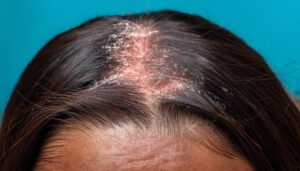

Introduction to Hairloss in Men
Hairloss in men is a common concern. Many men notice hair thinning or bald spots as they age. In fact, male pattern baldness affects millions worldwide. According to the American Academy of Dermatology, most men will experience some hairloss by age 50. Although hairloss in men is not dangerous, it can affect confidence. Early understanding helps in finding the right treatment for men’s hair loss.
Common Symptoms and Early Signs
Recognizing early signs of hairloss in men is important. Often, men see gradual thinning on the top of the head. Sometimes, a receding hairline appears first. Other symptoms may include:
However, not all hair thinning in men leads to baldness. Early action can help slow the process.
Major Causes of Hairloss in Men
There are several reasons for hairloss in men. Most often, genetics play a big role. This is called male pattern baldness. But, other causes can also lead to hair thinning in men. These include:
Because many factors are involved, it is important to find the exact cause.
Diagnosis Methods
Doctors use several methods to diagnose hairloss in men. First, they ask about your health and family history. Next, they examine your scalp and hair. Sometimes, they may gently pull on your hair to check its strength. In some cases, tests are needed. These may include:
Early diagnosis helps in choosing the best treatment for men’s hair loss.
Treatment Options for Hairloss in Men
There are many ways to treat hairloss in men. The right choice depends on the cause and stage. Some common treatments include:
For best results, follow your doctor’s advice. According to the American Academy of Dermatology, early treatment often works better.
Prevention Tips and Daily Care Guidance
While not all hairloss in men can be prevented, some steps may help slow it down. Try these tips for daily care:
However, if you notice sudden or patchy hairloss, seek medical advice.
When to See a Dermatologist
Sometimes, hairloss in men needs expert care. You should see a dermatologist if:
Dermatologists can offer advanced treatment for men’s hair loss. They can also check for underlying health issues.
Conclusion
In summary, hairloss in men is common and treatable. Early signs include thinning hair and a receding hairline. Causes range from genetics to lifestyle factors. Diagnosis and treatment options are available. For best results, follow daily care tips and seek help when needed. Consult a dermatologist for personalized advice on hairloss in men.
Noticing hair loss? Don’t wait until it worsens.
Get expert evaluation and treatment with Dr. Abhishek.
Book your consultation today to restore your confidence.