Introduction
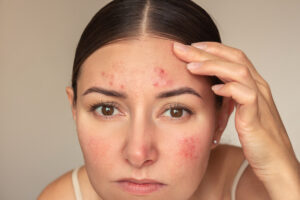
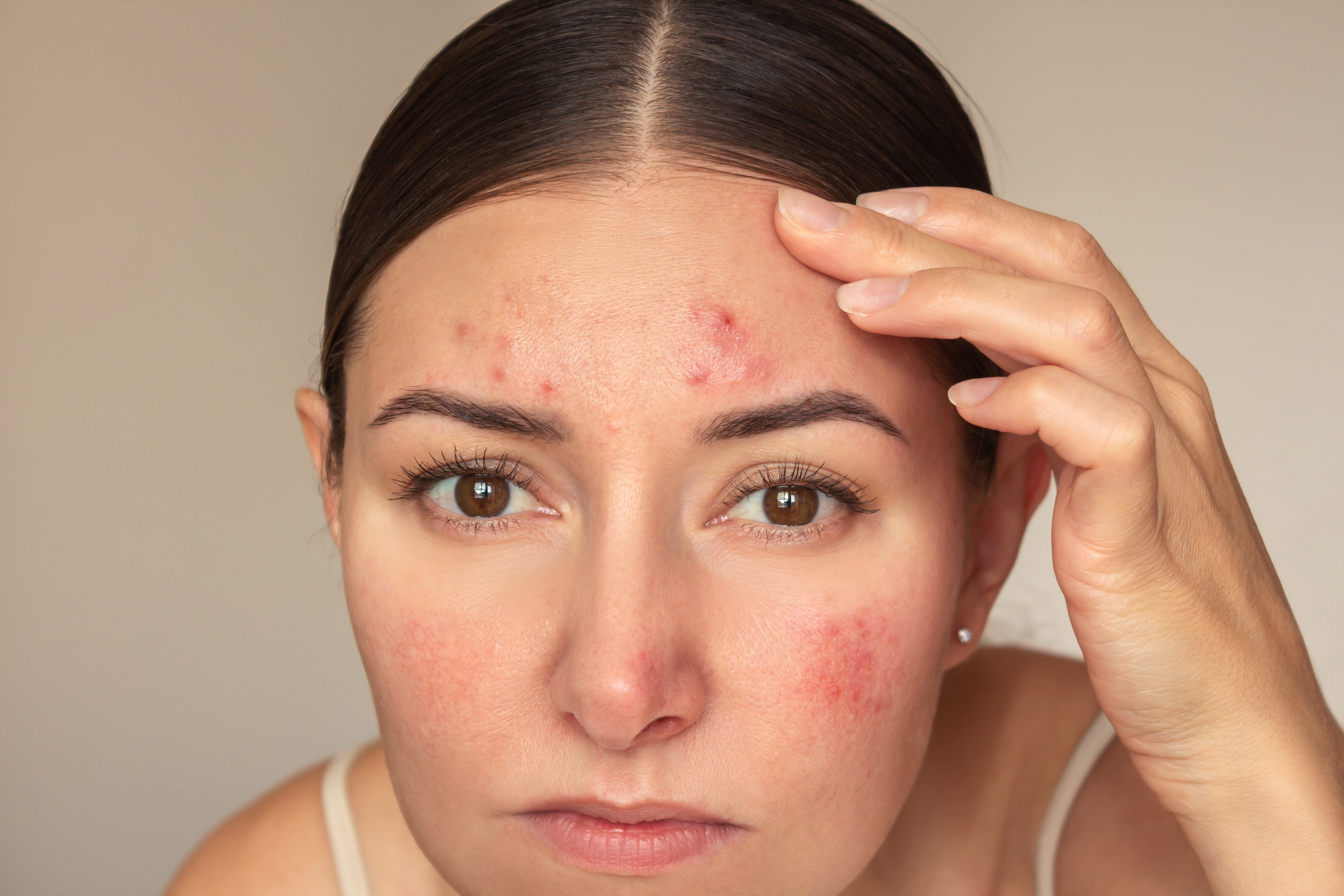
Many people confuse rosacea and acne because both cause red bumps on the face. However, understanding Rosacea vs. Acne is important for proper care. While both are common skin conditions, they have different causes, symptoms, and treatments. Knowing the difference between rosacea and acne helps you choose the right treatment and avoid making things worse. In this blog, we will explain how to tell them apart, their symptoms, causes, and the best ways to treat each condition.
What is Rosacea?
Rosacea is a long-term skin condition that mainly affects the face. It often causes redness, visible blood vessels, and sometimes small red bumps. Unlike acne, rosacea does not cause blackheads or whiteheads. Usually, rosacea appears on the cheeks, nose, chin, and forehead. Sometimes, it can also affect the eyes, making them red or watery. Rosacea is more common in adults, especially those with fair skin. According to the American Academy of Dermatology, rosacea affects millions of people worldwide.
What is Acne?
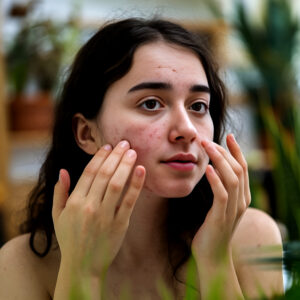
Acne is a skin problem that happens when hair follicles get clogged with oil and dead skin cells. This leads to pimples, blackheads, whiteheads, and sometimes cysts. Acne can appear on the face, chest, back, and shoulders. It is most common in teenagers, but adults can get it too. Acne can range from mild to severe. The Centers for Disease Control and Prevention (CDC) notes that acne is one of the most common skin conditions in the world.
Key Differences Between Rosacea and Acne
Although rosacea and acne may look similar, there are important differences. Here are some key points to help you understand the difference between rosacea and acne:
Symptoms of Rosacea vs. Acne
It is helpful to know the symptoms of each condition. This can guide you in seeking the right care. Below are the main symptoms for both:
Rosacea Symptoms
Acne Symptoms
Causes and Risk Factors
Understanding what causes rosacea and acne can help you manage them better. While both affect the skin, their causes are different.
Rosacea Causes and Risks
Acne Causes and Risks
Diagnosis: How to Tell Them Apart
Sometimes, it is hard to know if you have rosacea or acne. However, a dermatologist can help. They will look at your skin and ask about your symptoms. For example, if you have redness with visible blood vessels and no blackheads, it may be rosacea. On the other hand, if you have blackheads, whiteheads, and oily skin, it is likely acne. In rare cases, your doctor may do tests to rule out other skin problems. If you are unsure, always ask a skin specialist for advice.
Treatment Options for Rosacea and Acne
Both rosacea and acne have different treatment options. Choosing the right one depends on your symptoms and skin type. Here is how to treat rosacea and acne:
Rosacea Treatment
Acne Treatment
If you are looking for rosacea treatment in your city, search for a board-certified dermatologist near you. They can offer the best advice for your skin.
Prevention and Lifestyle Tips
While you may not be able to prevent rosacea or acne completely, you can lower your risk of flare-ups. Here are some helpful tips:
Conclusion
In summary, knowing the difference between rosacea and acne is key for healthy skin. Both conditions can be managed with the right care and advice. If you notice new or worsening symptoms, do not wait. Consult a dermatologist for personalized advice on rosacea or acne.
Not sure if it’s acne or rosacea? The right diagnosis matters.
Get expert evaluation and treatment with Dr. Abhishek.
Book your consultation today for clear, healthy skin.