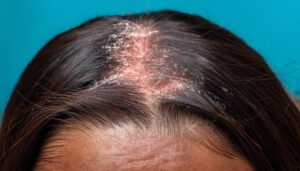

What is Urticaria?
Urticaria, also known as hives, is a common skin condition. It causes red, itchy bumps or welts on the skin. These bumps can appear anywhere on the body. Sometimes, they last for a few hours. Other times, they may stay for several days. Because urticaria can affect anyone, knowing about it is important. Early awareness helps you manage symptoms and seek help when needed.
Common Symptoms of Urticaria
Urticaria symptoms can vary from person to person. However, most people notice the following signs:
Sometimes, the rash may burn or sting. In most cases, the skin rash fades without leaving marks. But if you notice swelling in your throat or trouble breathing, seek help right away.
Causes and Risk Factors
Many things can cause urticaria. Often, the exact cause is hard to find. Still, some common triggers include:
Some people are more likely to get urticaria. For example, those with allergies or a family history of hives have a higher risk. Children and young adults often get acute urticaria, while chronic cases are more common in adults.
How Urticaria is Diagnosed
Doctors usually diagnose urticaria by looking at your skin and asking about your symptoms. Sometimes, they may ask about recent foods, medicines, or activities. In some cases, tests may be needed. For example, blood tests or allergy tests can help find the cause. However, many times, no clear cause is found. Even so, your doctor can help you manage the symptoms.
Treatment Options for Urticaria
Treating urticaria focuses on easing symptoms and avoiding triggers. Here are some common urticaria treatment options:
Most mild cases go away on their own. But if symptoms last more than six weeks, it is called chronic urticaria. In these cases, ongoing treatment may be needed. Always follow your doctor’s advice for the best results.
Lifestyle Tips and Prevention
Although you cannot always prevent urticaria, some steps can help reduce flare-ups. For instance, you can:
Because triggers can be different for everyone, keeping a diary may help you find patterns. This way, you can share helpful information with your doctor.
When to See a Doctor
Most cases of urticaria are mild and go away quickly. However, you should see a doctor if:
Early medical care can prevent serious problems. In rare cases, urticaria may indicate a severe allergic reaction (anaphylaxis), which requires immediate attention. If you experience symptoms of urticaria, consult Dr. Abhishek for personalized advice.