Introduction
Many people wonder about the difference between scalp psoriasis or dandruff. Both cause flakes and itching, but they are not the same. Knowing which one you have helps you choose the right treatment. If you treat the wrong condition, your scalp may not get better. For this reason, understanding the difference between scalp psoriasis and dandruff is important for healthy hair and skin.
What is Scalp Psoriasis?
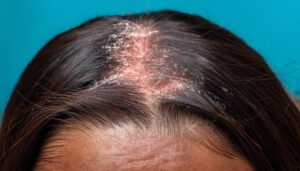
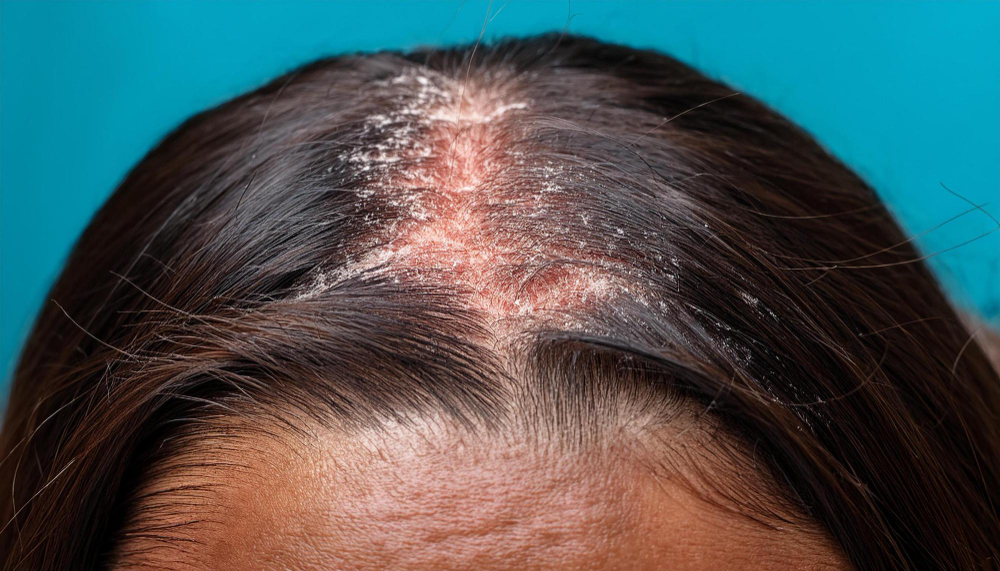
Scalp psoriasis is a long-term skin problem. It causes thick, red patches with silvery scales on the scalp. Sometimes, these patches can spread to the forehead, neck, or behind the ears. According to the American Academy of Dermatology, scalp psoriasis is not contagious. However, it can be uncomfortable and affect your confidence.
What is Dandruff?
Dandruff is a common scalp condition. It causes white or yellow flakes that fall from the scalp. Unlike scalp psoriasis, dandruff does not cause thick patches or redness. Dandruff is not harmful, but it can be annoying. Most people will have dandruff at some point in their lives.
Symptoms: How to Tell Them Apart
It can be hard to know if you have scalp psoriasis or dandruff. Yet, there are some signs that help you tell the difference.
For example, if you see thick, raised patches, it is more likely scalp psoriasis. On the other hand, if you only notice loose flakes, it may be dandruff.
Causes and Risk Factors
Both conditions have different causes. Understanding these can help you manage your scalp health.
In addition, certain hair products or not washing your hair often can trigger dandruff. But, scalp psoriasis is not caused by poor hygiene.
Diagnosis: When to See a Doctor
If you are unsure whether you have scalp psoriasis or dandruff, it is best to see a doctor. Sometimes, a dermatologist can tell by looking at your scalp. In rare cases, they may take a small skin sample for testing. Early diagnosis helps you get the right treatment and avoid problems.
Treatment Options for Each Condition
Treatments for scalp psoriasis and dandruff are different. Choosing the right one is important for relief.
For severe scalp psoriasis, your doctor may suggest stronger medicines. However, most dandruff cases improve with over-the-counter shampoos.
Prevention and Scalp Care Tips
Good scalp care can help prevent both scalp psoriasis and dandruff. Here are some tips:
Additionally, if you notice new or worsening symptoms, talk to your doctor.
Frequently Asked Questions
Conclusion
To sum up, scalp psoriasis and dandruff are different conditions. Scalp psoriasis causes thick, red patches, while dandruff leads to loose flakes. Both can be managed with proper care. For personalized diagnosis and treatment, consult Dr. Abhishek.